A 4th-generation Korean LHA-based skin resurfacing and barrier-repair peel from H2MEDI Co., Ltd., designed to exfoliate and hydrate with little to no downtime.
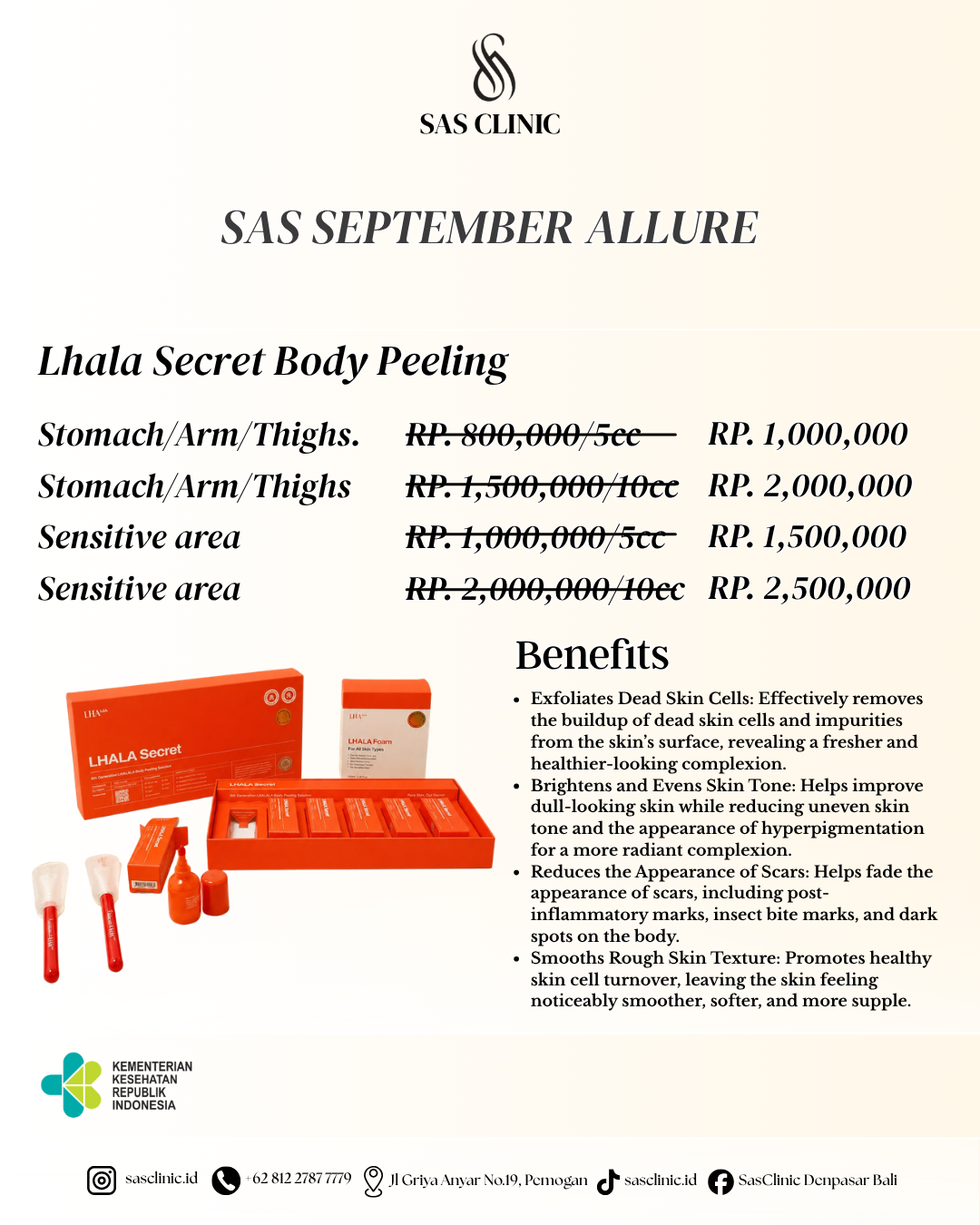
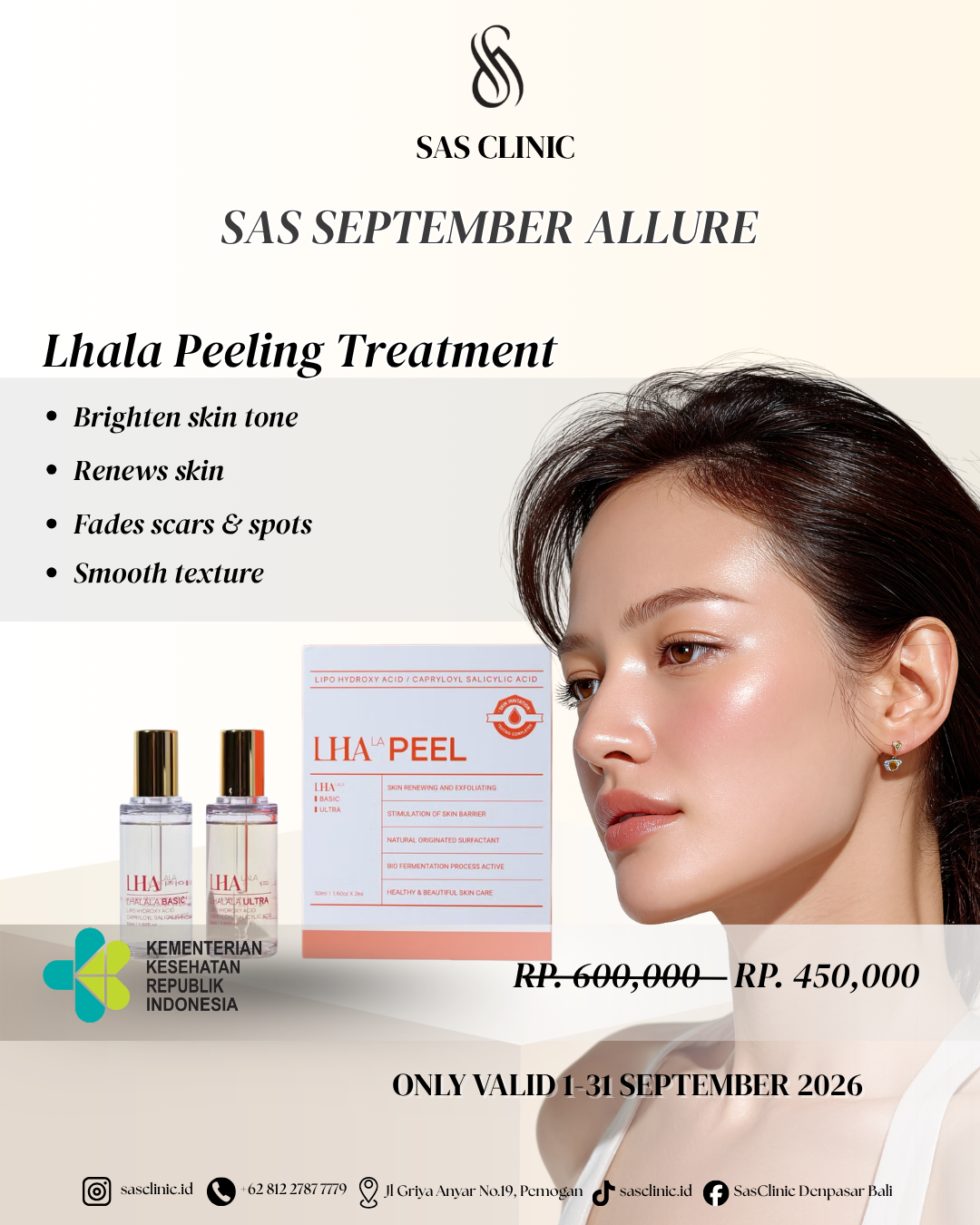
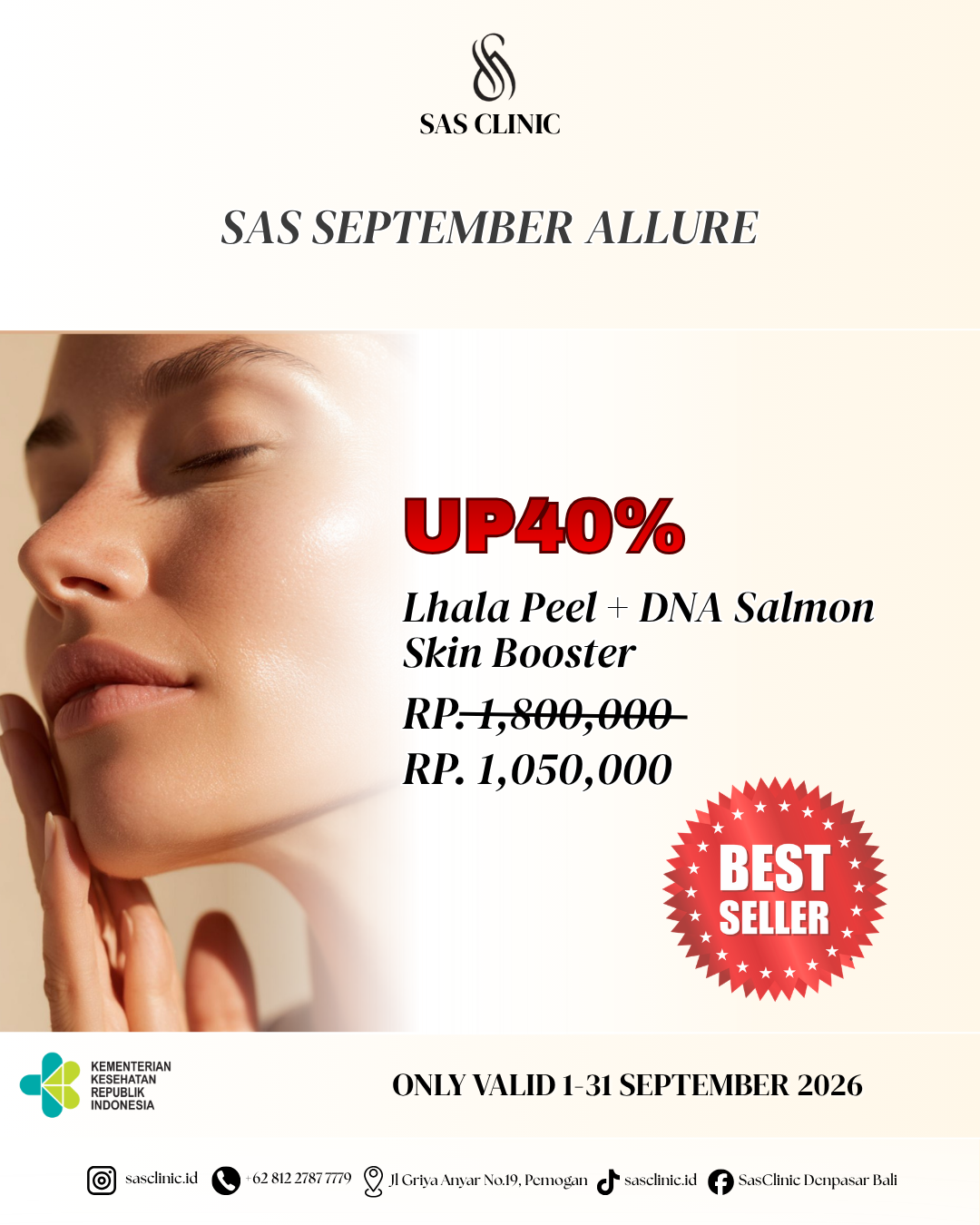
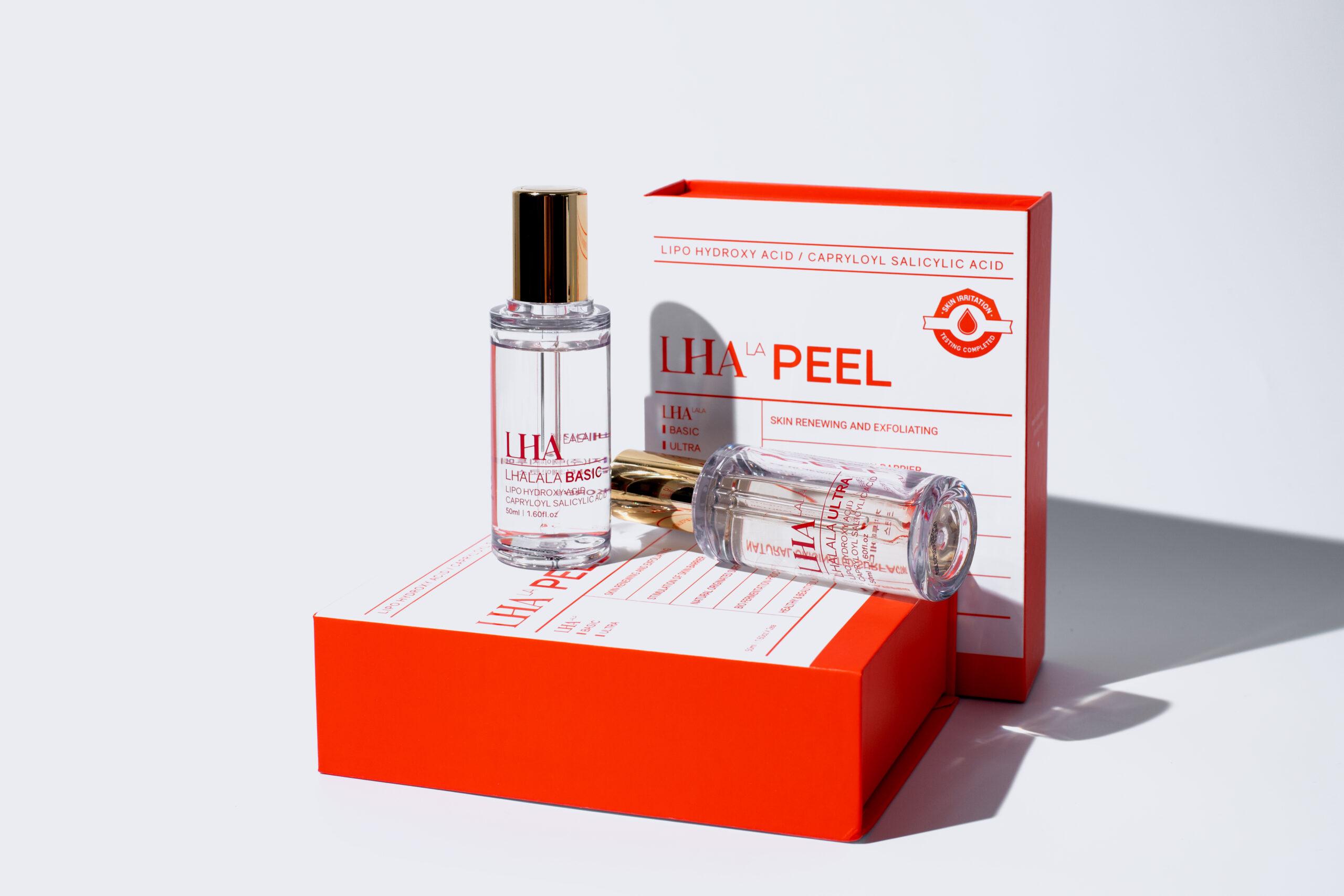
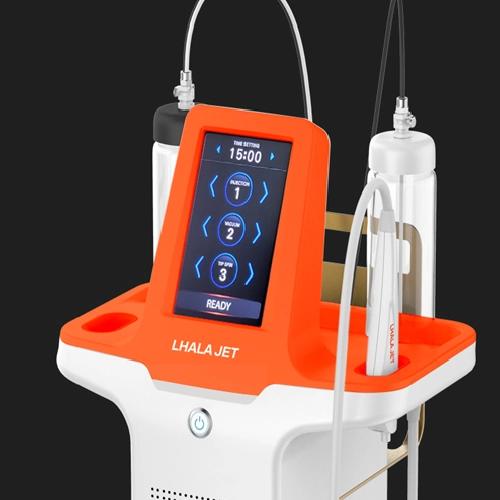
LHALA®, commonly known as LALA Peel, is a Korean skin resurfacing and skin barrier restoration treatment developed by H2MEDI Co., Ltd. Marketed as a 4th-generation professional peel, it's designed to exfoliate gently while hydrating, strengthening the skin barrier, and improving overall skin quality, with minimal discomfort and little to no downtime. Unlike injectables such as REJURAN or JUVÉDERM, LHALA Peel is a topical, clinic-based procedure that's often combined with LED therapy, LDM ultrasound, lasers, or other skin rejuvenation treatments.
The treatment is centered on LHA (Lipo-Hydroxy Acid), a lipid-soluble derivative of salicylic acid that exfoliates more slowly and evenly, penetrates the skin gradually, and causes less irritation than traditional salicylic acid. It helps dissolve dead skin cells, cleans pores, and improves skin texture while supporting barrier preservation. Compared with stronger chemical peels such as TCA or high-concentration glycolic acid, LHA produces a gentler exfoliating effect with minimal visible peeling.
Primary peeling solution
Professional cleanser used before treatment
Vitamin C booster used after peeling
Skin top-coat product that helps calm and protect the skin barrier
Post-treatment hydrogel mask for hydration
Device-assisted transdermal delivery system
A newer 5th-generation professional peeling platform introduced after the original LHALA Peel
Typical treatment schedule is one session every 1 to 2 weeks for intensive care, with maintenance every 3 to 4 weeks depending on skin condition. Many clinics combine LHALA Peel with LDM ultrasound, LED therapy, laser treatments, aqua peel, skin boosters performed separately, or RF microneedling. Downtime is minimal: mild redness typically resolves within a few hours, slight dryness may last 1 to 2 days, visible peeling is uncommon, and most patients return to normal activities the same day.
Because these risks exist with any injectable or energy-based treatment, procedures should only be performed by trained, licensed medical professionals with expertise in facial anatomy.
LHALA Peel is widely used in South Korea and is expanding internationally through professional aesthetic clinics and distributors. It's marketed as a professional-use treatment system, and its availability and regulatory status vary by country.
LHALA Peel has become one of the most popular non-invasive skin maintenance treatments in Korean aesthetic clinics, particularly for patients seeking glass skin with minimal downtime. Unlike traditional chemical peels that emphasize aggressive exfoliation, LHALA focuses on gentle LHA-based resurfacing while preserving and strengthening the skin barrier. It's commonly used as a maintenance treatment and frequently combined with technologies such as LDM ultrasound, LED therapy, RF microneedling, and laser procedures. Its popularity is supported by widespread clinical adoption and positive patient experiences in Korea, though the body of independent, peer-reviewed clinical evidence remains more limited than for long-established peeling agents such as glycolic acid, salicylic acid, or trichloroacetic acid.