A controlled acid solution that gently exfoliates away dullness to reveal brighter, smoother skin.
Tap any image to preview it, tell us what you’d like, then continue straight to booking.
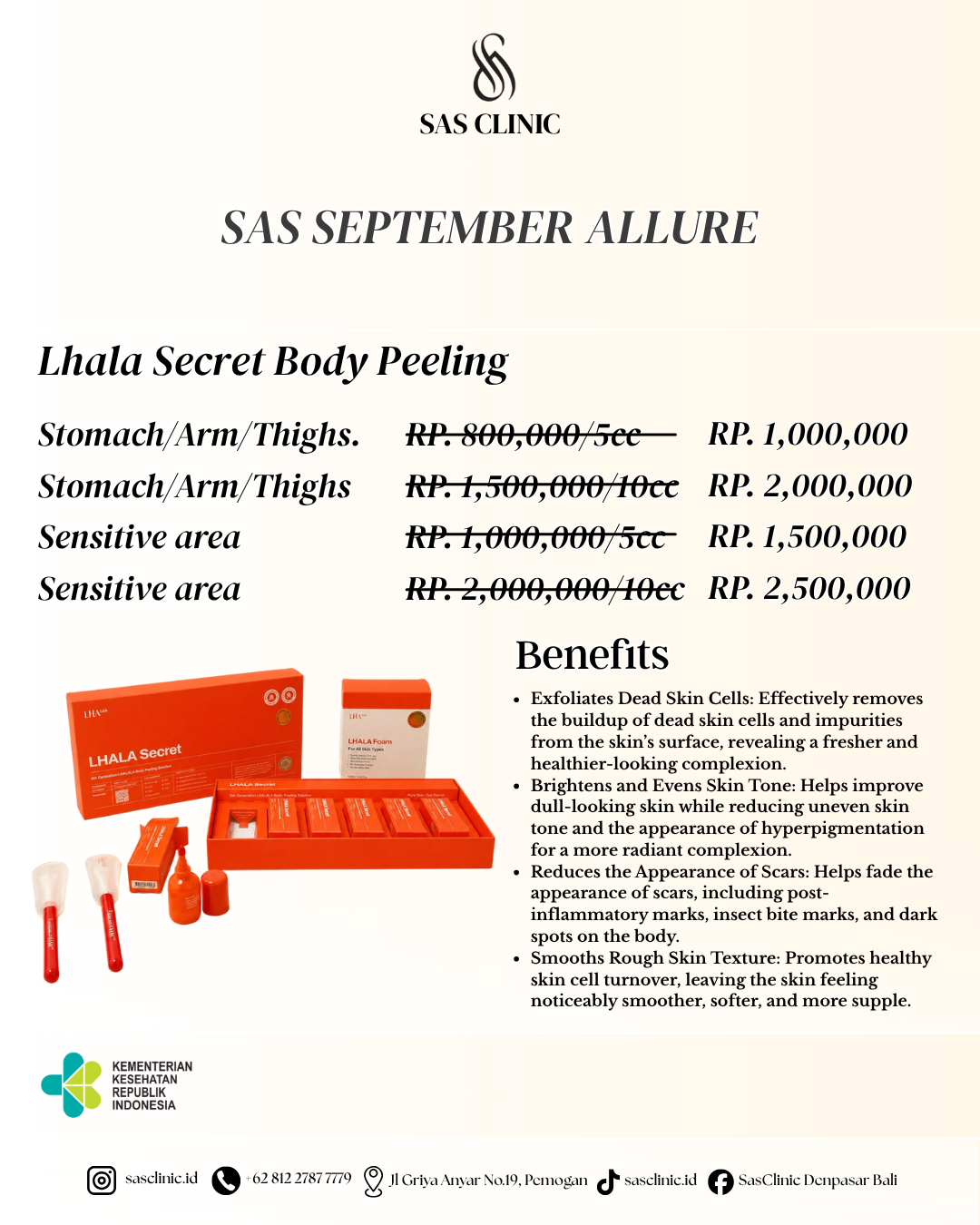
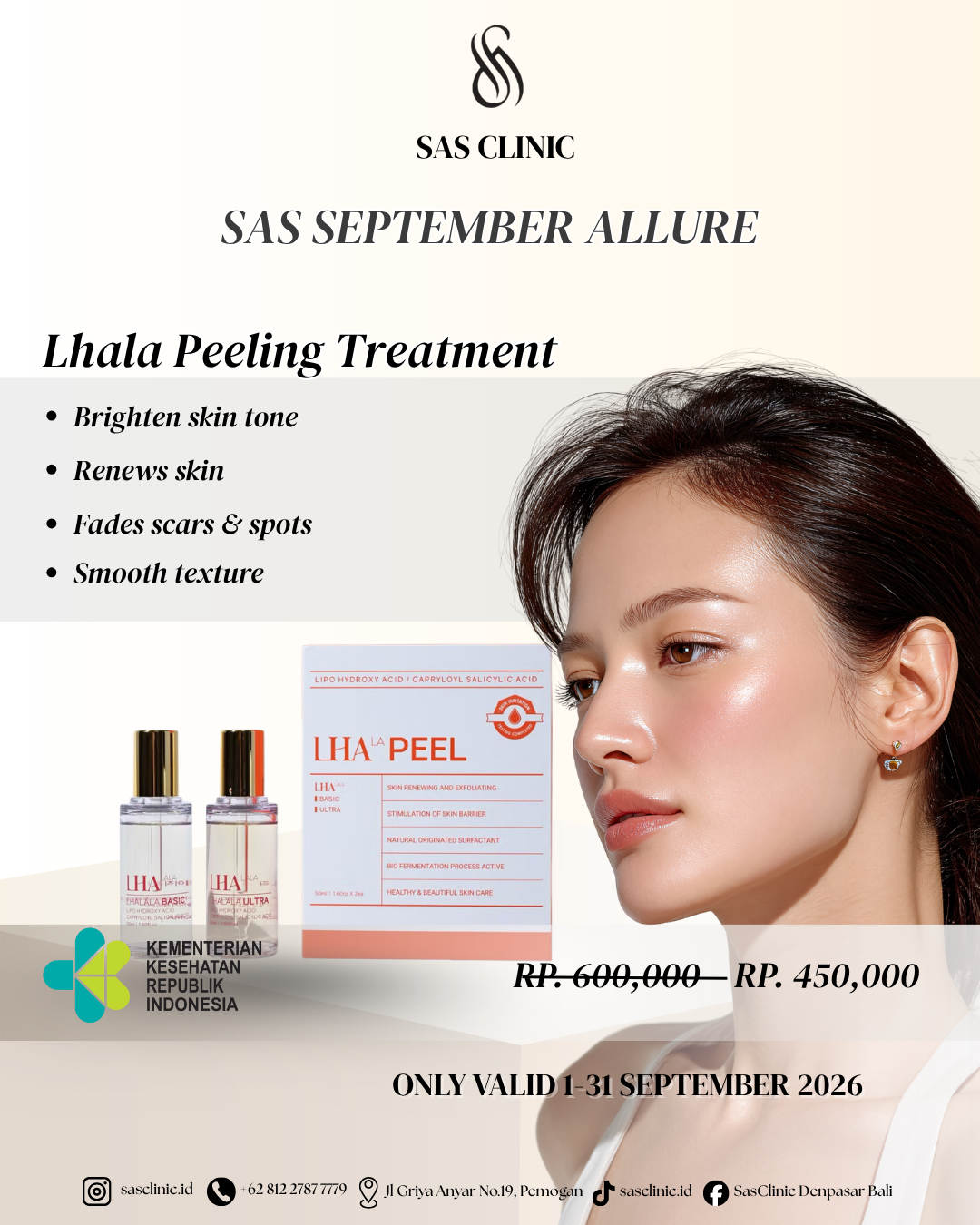

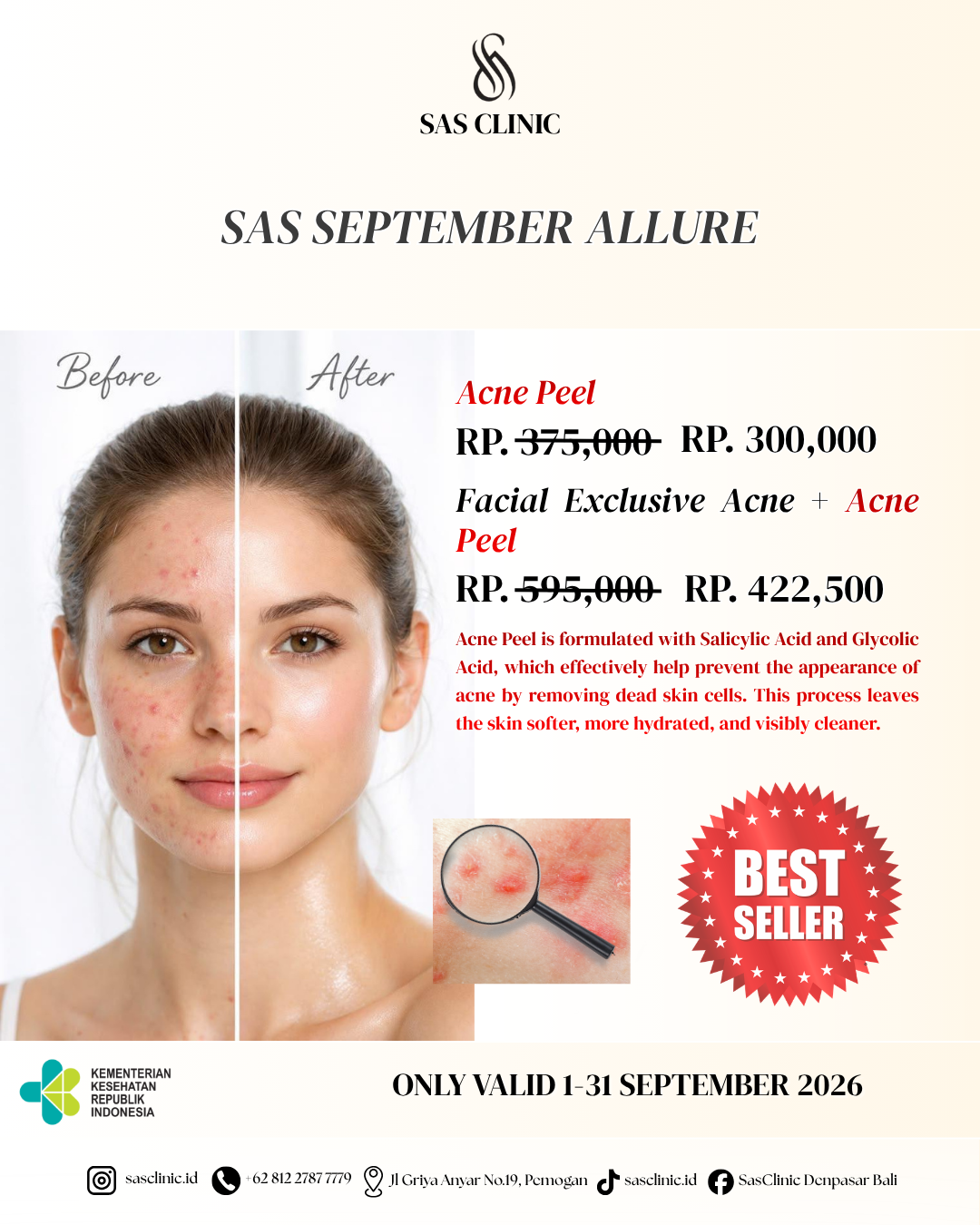


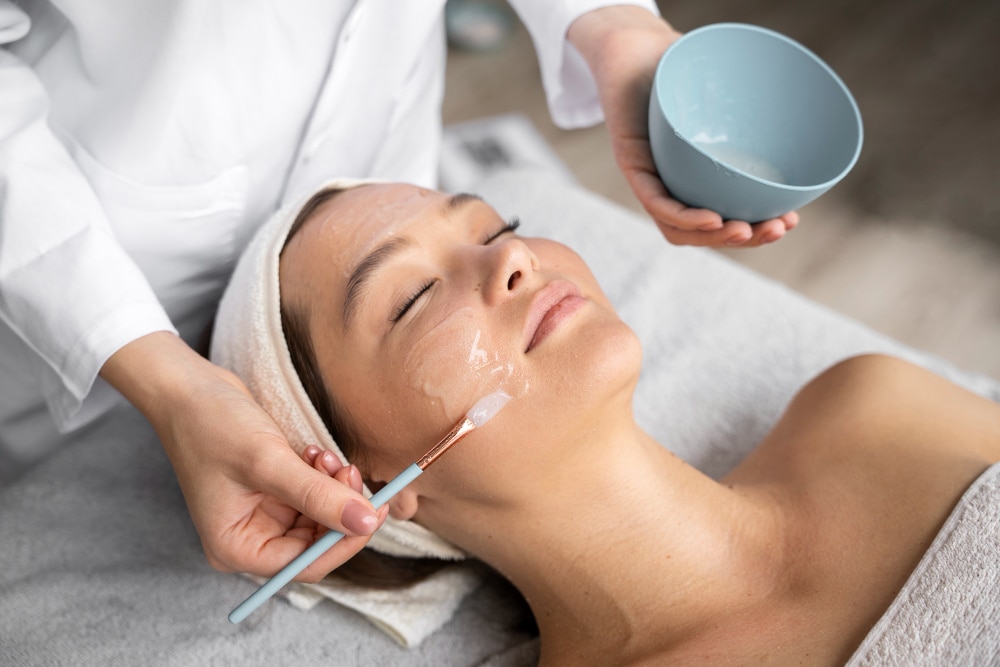
A chemical peel applies a controlled acid solution, commonly glycolic, salicylic, mandelic, or lactic acid depending on the skin concern being treated, to gently exfoliate the outer, dulled layer of skin. As that layer sheds, brighter and smoother skin underneath is revealed, and mild texture or pigmentation issues gradually improve.
Typically every 2 to 4 weeks depending on peel strength and your skin's tolerance.
It depends on the peel strength. Lighter peels cause little to no visible flaking; deeper peels may cause noticeable peeling for a few days.
Yes, with the right peel strength chosen for your skin type during consultation.
Most clients need a course of 4 to 6 sessions for visible improvement in pigmentation.
Talk to one of our therapists about the right peel strength for your skin.
Book This Treatment